June 2026: Last 10 Published Posts : Social Content
Notes for Mary
- Use every post exactly as written. Do not rewrite captions.
- Facebook + Instagram: schedule in Meta Business Suite ↗
- YouTube Community: post from YouTube Studio ↗ → Community tab
- X: post at x.com ↗
- Bluesky: post at bsky.app ↗
- Google Business: post via Google Business Profile ↗
- Check the Scheduled box on each platform after scheduling. Click the post status badge to mark the full post when all platforms are done.
- Questions about any content: contact Zoe or Chris before posting.
Week of June 2–8Recent posts on friendship, silence, and trauma responses
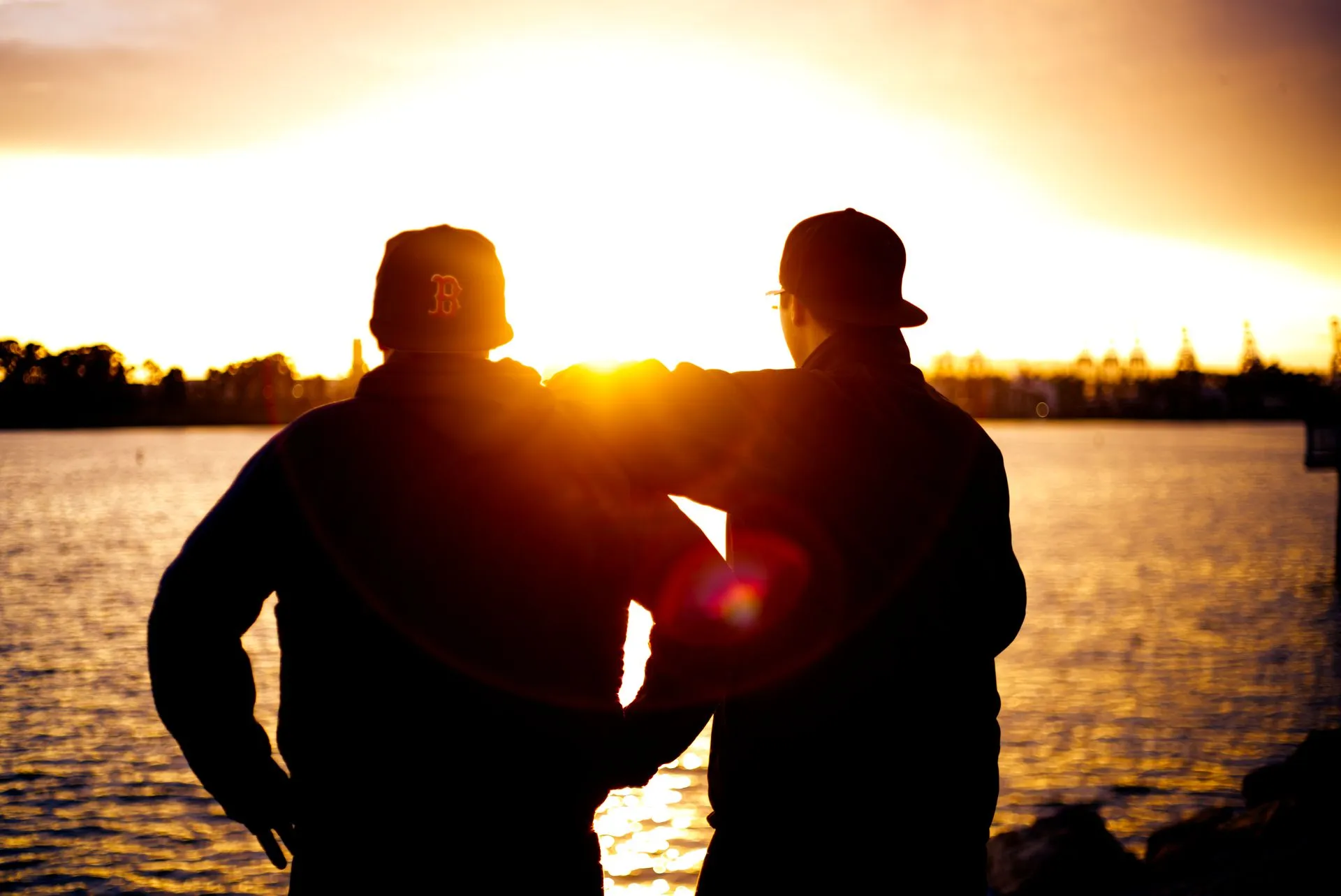
IG ImageTwo figures at distance or reaching toward each other. Mood: both isolation and connection.
Facebook
Meta Business Suite ↗
Post Content
You want close friends. You also cannot stand the thought of someone getting that close.

If this tension lives in your chest, you are not antisocial or broken. You are a man whose experience of closeness was corrupted early, and your nervous system is doing exactly what it was trained to do.

Friendship requires trust, vulnerability, and consistency. For a man whose early relationships taught him that closeness is dangerous, every new friendship is a risk assessment his body runs without his permission.

The good news: you only need one. One man who can handle the truth. One person who does not need you to perform.

Read the full post to understand the patterns that show up in friendship after trauma, and how to start rebuilding trust.

reclaimingshalom.com
Instagram
Meta Business Suite ↗
Caption
You want close friends. You also can't stand someone getting that close.

If friendship feels complicated, you're not broken. Your nervous system learned early that closeness meant danger.

You might over-give, withdraw, or test people to see if they'll leave. All of it makes sense. All of it is your body trying to stay safe.

The good news: you only need one safe person. One man who can see you and not use it against you.

Start there. Build slowly. Let your body learn to trust.

Read the full post to explore the patterns showing up in your friendships.
Hashtags
#Friendship #TraumaResponse #MensBrotherhood #MentalHealth #CommunityMatters
YouTube Community
YouTube Studio ↗
Community Post
New post: "Why Your Friendships Feel So Complicated"

If you crave close friends but sabotage when it gets real, you're not broken. Your nervous system learned early that closeness meant danger.

You need one safe person. Not a dozen perfect friends. Just one man who can handle the truth.

Read the full post for concrete next steps. → reclaimingshalom.com
X (Twitter)
X ↗
Post
You crave brotherhood. You also can't stand someone getting that close.

If friendship feels complicated, you're not broken. You learned early that closeness meant danger.

The good news: you only need one safe person.

Start there.
Bluesky
Bluesky ↗
Post
You crave brotherhood. You also can't stand someone getting that close.

If friendship feels complicated, you're not broken. Your nervous system learned early that closeness meant danger, that vulnerability led to harm.

So you over-give, or withdraw, or test. All of it makes sense. All of it is your body trying to stay safe.

The good news: you only need one safe person. One man who can see you and not use it against you.

Read the full post at reclaimingshalom.com
Google Business
GBP Dashboard ↗
Post Content
Do your friendships feel complicated? Do you want closeness but sabotage when it gets real?

You're not broken. Your nervous system learned early that closeness meant danger. Vulnerability led to harm.

So your body developed patterns to stay safe. The good news: you only need one safe person. One man who sees you and doesn't use it against you.

Read our latest post on healing friendships after trauma, and how to build trust slowly.

Book a story coaching session to explore what's showing up in your relationships
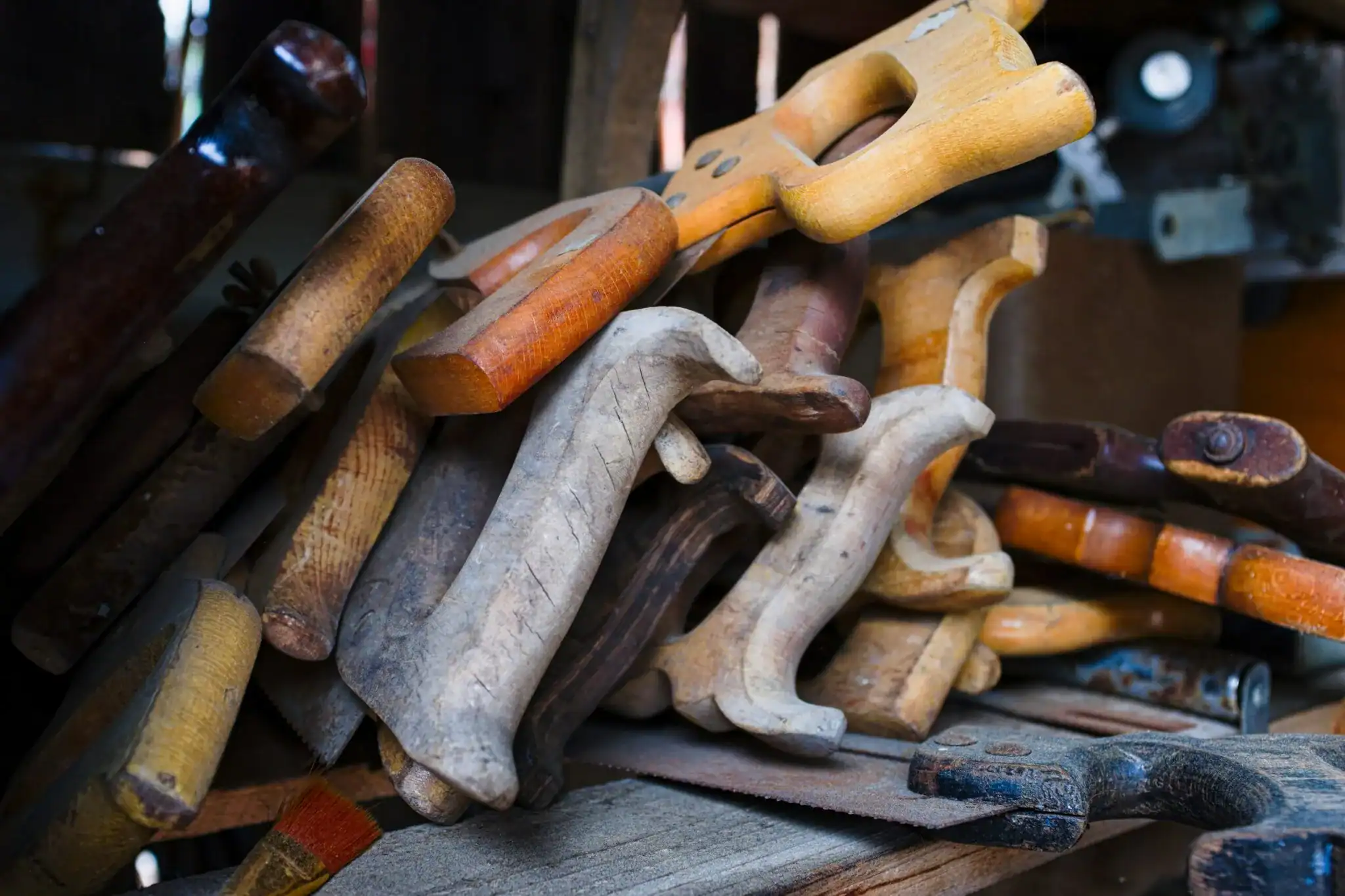
IG ImageFull garage or organized clutter. Mood: weight, holding on, preservation.
Facebook
Meta Business Suite ↗
Post Content
The garage is full. The closet has not been cleaned out in years. And every time someone suggests getting rid of something, your chest tightens.

People see clutter and think laziness. But for many men who carry trauma, holding onto things is about safety.

When the world has taken from you without your permission, letting go of anything, even a broken tool or an old shirt, can feel like another loss you did not choose.

Trauma disrupts your sense of control. So you learned to find control wherever you could: by holding onto the things within reach.

That old jacket represents a time when things felt safe. Those tools connect you to a grandfather who showed up. The stacks of magazines are evidence that your interests matter.

The good news: letting go doesn't mean throwing everything away. It means learning, slowly, that your safety does not depend on what you can hold in your hands.

Read the full post for a gentler approach to clutter.

reclaimingshalom.com
Instagram
Meta Business Suite ↗
Caption
The garage is full. The closet is packed. And throwing something out makes your chest tight.

It's not laziness. It's safety.

Trauma disrupts your sense of control. When something terrible happened, you had no say. So you learned to find control by holding onto things within reach.

That old jacket represents a time when things felt safe. Those tools connect you to someone who showed up. The magazines are evidence that your interests matter.

Letting them go feels like choosing loss. And for a man whose history includes having things taken without warning, that feels unbearable.

The good news: letting go doesn't mean purging everything. It means learning, slowly, that your safety doesn't depend on what you hold.
Hashtags
#ClutterClear #TraumaHealing #MensMentalHealth #LetGoWithCompassion #GrievingLoss
YouTube Community
YouTube Studio ↗
Community Post
New post: "Why You Cannot Throw Anything Away"

Your garage is full. Your closet is packed. And the thought of throwing something out makes your chest tight.

It's not laziness. It's safety. If the world took things from you without permission, letting go feels like choosing loss.

Read the post for a different way to think about clutter. → reclaimingshalom.com
X (Twitter)
X ↗
Post
Your garage is full. Throwing something out feels like choosing loss.

If you can't let go, you didn't learn to hoard. You learned the world takes things without permission.

So you hold on. It makes sense. And it's costing you space and peace.
Bluesky
Bluesky ↗
Post
Your garage is full. Your closet is packed. And the thought of throwing something out makes your chest tight.

It's not laziness. It's safety.

Trauma disrupts your sense of control. When something terrible happened, especially as a child, you had no say. So you learned to find control by holding on to the things within reach.

That old jacket represents a time when things felt safe. Those tools connect you to someone who showed up. The magazines are evidence that your interests matter.

Letting them go feels like choosing loss.

The good news: letting go doesn't mean throwing everything away. It means learning, slowly, that your safety doesn't depend on what you can hold in your hands.

Read the full post at reclaimingshalom.com
Google Business
GBP Dashboard ↗
Post Content
Is your garage full? Does your closet overflow? Does throwing something away feel impossible?

You didn't learn to hoard. You learned that the world takes things without permission. So you hold on.

This is not laziness. It's survival. And it makes complete sense given what you've been through.

The good news: letting go doesn't mean purging everything. It means learning, slowly, that your safety doesn't depend on what you can hold in your hands.

Read our post on approaching clutter with compassion instead of shame.

Book a story coaching session to explore what your clutter is protecting

IG ImageMan with hand to throat, or mouth open as if to speak. Mood: tension, restraint.
Facebook
Meta Business Suite ↗
Post Content
There's a meeting at work and you know exactly what needs to be said. The idea is fully formed, ready. But when the moment comes to speak, something catches in your throat and the words stay inside.

Your wife asks what's wrong and you say, "Nothing." Not because nothing is wrong, but because the distance between what you feel and what you can put into words feels uncrossable.

If your voice regularly disappears when it matters most, the silence might not be shyness. It might be a survival strategy that served you well as a boy and is costing you as a man.

Most men who struggle to speak up weren't born quiet. They were made quiet. Somewhere in their story, there was a moment or season where speaking carried consequences.

Maybe your father punished honesty. Maybe your mother fell apart when you expressed anger. Maybe a teacher shamed you in front of peers.

Your body filed that as evidence: speaking equals danger.

Healing doesn't look like forcing yourself to talk more. It looks like creating conditions where your body feels safe enough that your voice can return on its own.

Read the full post to discover how to reclaim your voice, one word at a time.

reclaimingshalom.com
Instagram
Meta Business Suite ↗
Caption
There's a meeting at work and you know exactly what needs to be said. The words are clear in your head.

But when the moment comes, something catches in your throat and the words stay inside.

If your voice disappears when it matters most, you didn't learn to be quiet. You learned it was the only way to stay safe.

Maybe your father punished honesty. Maybe your mother fell apart at your anger. Maybe a teacher shamed you. Your body learned: speaking equals danger.

So you turned down the volume on everything. Your opinions, your needs, your anger, your desires.

The problem is your body doesn't know when to stop.

Healing doesn't mean forcing yourself to talk more. It means creating conditions where your body feels safe enough that your voice can return.

Read the full post to discover how to reclaim your voice, slowly and at your own pace.
Hashtags
#FindYourVoice #TraumaHealing #MensMentalHealth #Authenticity #StoryCoaching
YouTube Community
YouTube Studio ↗
Community Post
New post: "Why You Go Quiet"

You know what you want to say. The words are clear in your head. But when the moment comes, something catches in your throat and the words stay inside.

If your voice disappears when it matters, you didn't learn to be quiet. You learned it was the only way to stay safe.

Reclaiming your voice doesn't mean becoming loud. It means becoming honest.

Read the post → reclaimingshalom.com
X (Twitter)
X ↗
Post
You know what you want to say. The words are fully formed, ready. Something catches in your throat and they stay inside.

If your voice disappears when it matters, you didn't learn to be quiet. You learned it was the only way to stay safe.

And you need to learn something different now.
Bluesky
Bluesky ↗
Post
You know what you want to say. The words are fully formed, clear, ready. But when the moment comes, something catches in your throat and the words stay inside.

If your voice disappears when it matters most, you didn't learn to be quiet. You learned it was the only way to stay safe.

Maybe your father punished honesty. Maybe a teacher shamed you. Maybe your mother fell apart when you expressed anger. Your body learned: speaking equals danger.

So you turned down the volume on everything. Your opinions, your needs, your anger, your desires. Quiet was the only way to survive.

The problem is your body doesn't know when to stop. So you carry that silence into every room you enter. Work, marriage, faith.

Healing doesn't mean forcing yourself to talk more. It means creating conditions where your body feels safe enough that your voice can return.

Read the full post at reclaimingshalom.com
Google Business
GBP Dashboard ↗
Post Content
Do you know what you want to say but can't find your voice when it matters?

You didn't learn to be quiet. You learned it was the only way to stay safe.

Maybe your father punished honesty. Maybe a teacher shamed you. Maybe your mother fell apart at your anger. Your body learned: speaking equals danger.

Now you carry that silence everywhere: work, marriage, faith.

The good news: your voice can return. Healing isn't about becoming loud. It's about becoming honest.

Read our post on reclaiming your voice.

Book a story coaching session to explore where silence is serving you, and where it's costing you
Week of June 9–15Posts on feedback, money, and how the nervous system responds
IG ImageMan's hands gripping steering wheel, tight shot. Or: close-up of clenched jaw.
Facebook
Meta Business Suite ↗
Post Content
Your boss offers a suggestion in a meeting. It's nothing harsh, maybe even meant to help. But by the time you reach your truck in the parking lot, your hands are gripping the steering wheel and your chest feels like someone parked a cinder block on it.

What happened between that conference room and your kitchen table?

Most men who struggle with feedback aren't weak. They learned early that being corrected came with a cost. Maybe your father's disappointment moved to his hands. Maybe a coach singled you out in front of the whole team. Maybe a pastor weaponized Scripture.

Your nervous system catalogued all of it. Correction equals exposure. Exposure equals pain.

So when your wife gently says, "Can we talk about something?" your body doesn't hear a question. It hears a siren.

This is not a character flaw. It's an adaptation. Your younger self needed that alarm system.

The good news is that healing doesn't mean you'll never flinch at feedback again. It means the flinch won't run your life.

Read the full post for practical next steps in healing from this pattern.

reclaimingshalom.com
Instagram
Meta Business Suite ↗
Caption
Your boss offers a suggestion. It's nothing harsh, maybe even meant to help. But by the parking lot, your hands are gripping the steering wheel and your chest feels tight.

What your boss said matters. But what your body just did matters more.

Most men who struggle with feedback aren't weak. They learned early that being corrected meant danger. That being wrong had a cost.

Your nervous system remembers. And it doesn't know when to stop.

Here's the thing: that alarm system was intelligent once. Your younger self needed it to survive.

The problem is it doesn't have to run your life forever.

Healing doesn't mean you'll never flinch at feedback. It means the flinch won't run your life.

Read the full post for practical next steps.
Hashtags
#TraumaHealing #StoryCoaching #MensMentalHealth #TraumaResponse #HealingIsntLinear
YouTube Community
YouTube Studio ↗
Community Post
Just dropped a new post: "Why Criticism Hits So Hard."

If small feedback hits you harder than it should, you're not weak. Your nervous system learned early that correction meant danger.

The good news? That alarm system doesn't have to run your life.

Read the post & let me know what resonates. 👇
X (Twitter)
X ↗
Post
Your boss offers gentle feedback. Your body hears a siren.

If criticism hits harder than it should, you didn't learn to be sensitive. You learned early that being wrong meant danger.

That's not a character flaw. It's an adaptation.

And it doesn't have to run your life.
Bluesky
Bluesky ↗
Post
Your boss offers gentle feedback. Your body hears a siren.

If criticism hits harder than it should, you didn't learn to be sensitive. You learned early that being wrong meant danger, that correction had a cost.

Your nervous system remembers. And it doesn't know when to stop.

The thing is, that survival strategy was intelligent once. Your younger self needed it.

The good news? It doesn't have to run your life forever.

Healing doesn't mean you'll never flinch at feedback. It means the flinch won't run your life.

Read the post at reclaimingshalom.com
Google Business
GBP Dashboard ↗
Post Content
Does small feedback hit harder than it should?

If criticism makes your body go into alarm mode, you're not weak. You learned early that being corrected meant danger. Maybe your father's anger. Maybe a coach's humiliation. Maybe a pastor's weaponized Scripture.

Your nervous system remembers.

The good news? That survival strategy doesn't have to run your life forever.

Read our latest post on why criticism hits so hard, and what healing looks like.

Book a story coaching session to explore your unique patterns

IG ImageMan's hands with money or empty hands. Mood: tension, control, vulnerability.
Facebook
Meta Business Suite ↗
Post Content
Money conversations make your chest tight. A bill arrives and something in you panics. You earn good income but you cannot relax about it.

If money feels like a threat rather than a tool, it might not be about the numbers. It might be about what money means to your nervous system.

For many men, money is tied to safety, control, and worth. If your childhood taught you that money was scarce, unpredictable, or weaponized, your body learned to be afraid of it.

Maybe your father used money to control. Maybe your family lived in constant scarcity. Maybe love felt conditional on financial provision.

Your nervous system is doing exactly what it was trained to do: protect you from a threat that once felt very real.

The good news: you can begin to rewire your relationship with money. Not by thinking your way out of it, but by slowly teaching your nervous system that it's safe.

Read the full post to discover what's actually happening beneath the anxiety.

reclaimingshalom.com
Instagram
Meta Business Suite ↗
Caption
Money conversations make your chest tight. A bill arrives and panic rises. You earn good income but you can't relax about it.

If money feels like a threat, it might not be about the numbers. It might be about what money means to your nervous system.

For many men, money is tied to safety, control, and worth. If your childhood taught you that money was scarce or weaponized, your body learned to be afraid of it.

Maybe your father used money to control. Maybe your family lived in constant fear of not having enough. Maybe love felt conditional on provision.

Your nervous system is doing what it was trained to do: protect you from a threat that once felt very real.

The good news: you can rewire your relationship with money. Not by thinking your way out of it, but by slowly teaching your nervous system that it's safe.

Read the full post to understand what's really happening beneath the anxiety.
Hashtags
#MoneyAnxiety #TraumaHealing #MensMentalHealth #FinancialWellness #NervousSystemHealing
YouTube Community
YouTube Studio ↗
Community Post
New post: "Why Money Feels Like a Threat"

If money conversations make your chest tight, if you can't relax even when you're earning well, it might not be about the numbers.

It might be about what money means to your nervous system.

Read the post to understand what's really happening. → reclaimingshalom.com
X (Twitter)
X ↗
Post
Money conversations make your chest tight. You earn good income but panic rises at the thought of spending.

If money feels like a threat, you didn't learn to be anxious. You learned it was a weapon or a scarcity to fear.

That's not character weakness. That's an adaptation.
Bluesky
Bluesky ↗
Post
Money conversations make your chest tight. A bill arrives and something in you panics. You earn good income but you cannot relax about it.

If money feels like a threat, it might not be about the numbers. It might be about what money means to your nervous system.

For many men, money is tied to safety, control, and worth. If your childhood taught you that money was scarce, unpredictable, or weaponized, your body learned to be afraid of it.

Maybe your father used money to control. Maybe your family lived in constant fear of scarcity. Maybe love felt conditional on provision.

Your nervous system is doing what it was trained to do.

The good news: you can rewire this. Not by thinking your way out of it, but by slowly teaching your nervous system that it's safe.

Read the full post at reclaimingshalom.com
Google Business
GBP Dashboard ↗
Post Content
Does money feel like a threat rather than a tool? Does it make your chest tight even when you're earning well?

You didn't learn financial anxiety. You learned that money was scarce, unpredictable, or weaponized.

Maybe your father used it to control. Maybe your family lived in constant fear of not having enough. Maybe love felt conditional on provision.

Your nervous system is protecting you from a threat that once felt very real.

The good news: you can rewire this relationship with money. Not by thinking your way out, but by slowly teaching your nervous system it's safe.

Read our latest post on why money feels like a threat.

Book a story coaching session to explore your specific patterns with money and control
IG ImageMan covering ears or in a quiet space. Mood: overwhelm, refuge.
Facebook
Meta Business Suite ↗
Post Content
Sudden noise makes you jump. Traffic sounds feel aggressive. Your kid's laughter sometimes makes you flinch.

If noise hits you differently than it hits other people, there's a reason. Your nervous system is wired to respond to sound as threat.

For men who've lived through chaos, violence, or unpredictability, noise becomes a signal. It means something bad is about to happen. Your body learned to brace for impact the moment it hears something unexpected.

This isn't sensitivity. This is a nervous system that learned to stay alert.

The good news: you can help your nervous system learn that most noise doesn't mean danger. Not by forcing yourself to tolerate it, but by slowly, safely, teaching your body a different story.

Read the full post to understand what's happening in your nervous system and how to begin healing.

reclaimingshalom.com
Instagram
Meta Business Suite ↗
Caption
Sudden noise makes you jump. Traffic sounds feel aggressive. Your kid's laughter sometimes makes you flinch.

If noise hits you differently, there's a reason. Your nervous system is wired to respond to sound as threat.

For men who've lived through chaos or unpredictability, noise becomes a signal: something bad is coming. Your body learned to brace for impact.

This isn't weakness. This is a nervous system that learned to stay alert.

The good news: you can help your nervous system learn that most noise doesn't mean danger. Not by forcing tolerance, but by slowly, safely teaching your body a different story.

Read the full post to understand what's happening and how to begin healing.
Hashtags
#SensoryHealing #TraumaResponse #MensMentalHealth #NervousSystemHealing #OverstimulationResponse
YouTube Community
YouTube Studio ↗
Community Post
New post: "Why Noise Hits Different"

If sudden sounds make you jump, if noise feels aggressive even when it's not, your nervous system is doing what it was trained to do.

It learned long ago that sound meant danger. Your body is trying to protect you.

Read the post to understand what's happening. → reclaimingshalom.com
X (Twitter)
X ↗
Post
Sudden noise makes you jump. Traffic feels aggressive. Laughter sometimes makes you flinch.

If noise hits different, you didn't become oversensitive. You learned long ago that sound meant danger.

Your nervous system is doing exactly what it was trained to do.
Bluesky
Bluesky ↗
Post
Sudden noise makes you jump. Traffic sounds feel aggressive. Your kid's laughter sometimes makes you flinch.

If noise hits you differently than it hits other people, there's a reason. Your nervous system is wired to respond to sound as threat.

For men who've lived through chaos, violence, or unpredictability, noise becomes a signal. It means something bad is about to happen. Your body learned to brace for impact.

This isn't sensitivity. This is a nervous system that learned to stay alert to danger.

The good news: you can help your nervous system learn that most noise doesn't mean threat. Not by forcing yourself to tolerate it, but by slowly, safely, teaching your body a different story.

Read the full post at reclaimingshalom.com
Google Business
GBP Dashboard ↗
Post Content
Does sudden noise make you jump? Do traffic sounds feel aggressive? Does your kid's laughter sometimes trigger flinching?

Your nervous system learned long ago that sound meant danger. You developed hypervigilance to protect yourself.

This isn't oversensitivity. It's an adaptation to a threatening environment.

The good news: you can help your nervous system learn that most noise is safe. Not by forcing tolerance, but by slowly, safely teaching your body a different story.

Read our post on sensory healing after trauma.

Book a story coaching session to explore your specific triggers and build tolerance at your own pace
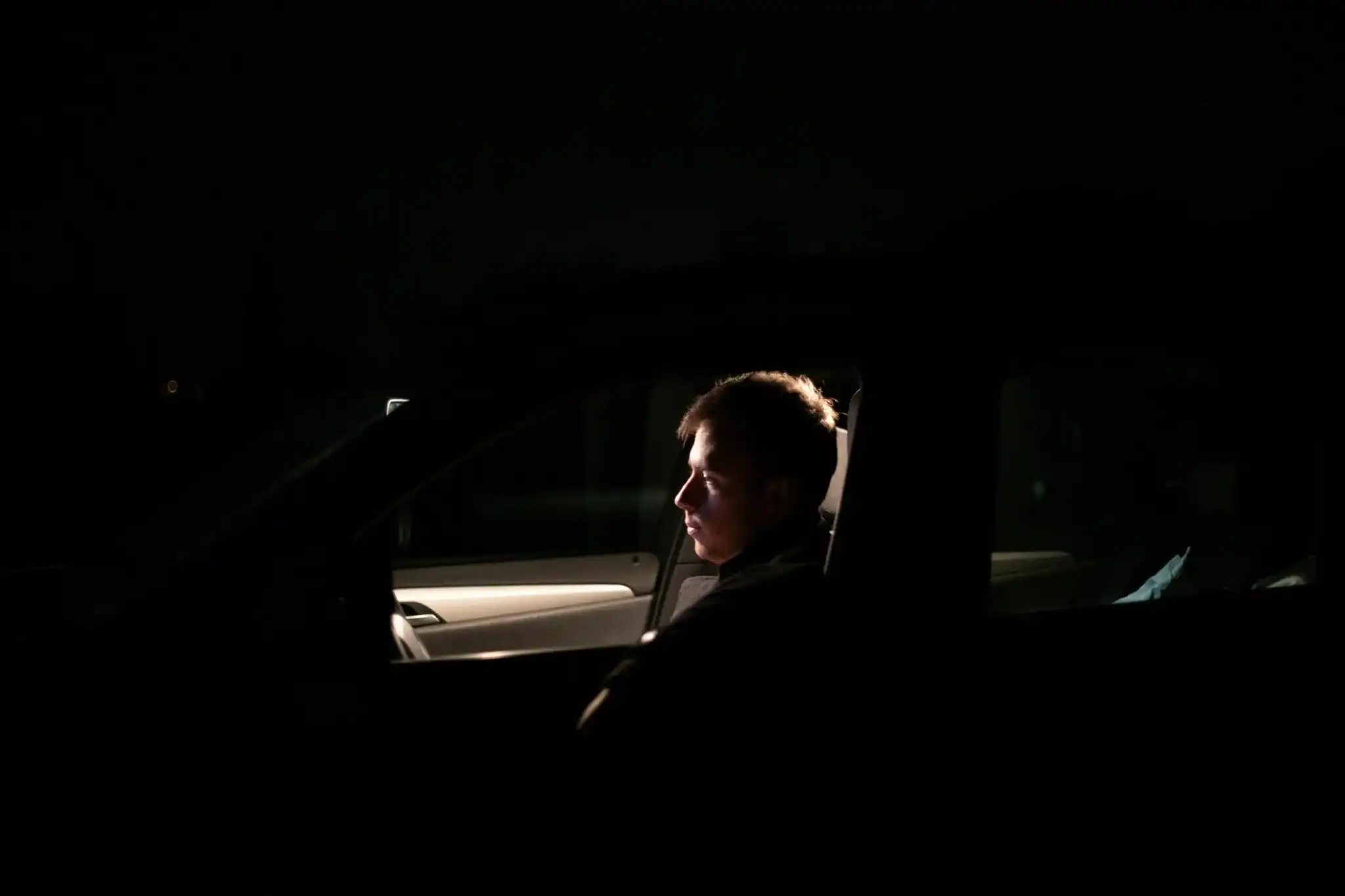
IG ImageMan on phone or scrolling, face lit by screen. Mood: isolation, compulsion.
Facebook
Meta Business Suite ↗
Post Content
You know scrolling is not helping. You tell yourself you'll stop. But at 11 PM you're still there, doom-scrolling through headlines about crisis and loss.

If you find it hard to stop, even when you know it's making you feel worse, there's a reason. Social media and news are designed to trigger the exact responses your trauma made you vulnerable to.

For men carrying unresolved pain, scrolling serves a purpose. It's a numbing strategy. It distracts from the weight inside. It's a way to feel like you're staying informed without actually engaging with your own life.

The problem is the more you scroll, the more your nervous system stays activated. You're not resting. You're feeding the very vigilance that keeps you trapped.

The good news: you can interrupt this pattern. Not by willpower, but by understanding what scrolling is really doing for you, and finding different ways to meet that need.

Read the full post to begin untangling your relationship with media and your nervous system.

reclaimingshalom.com
Instagram
Meta Business Suite ↗
Caption
You know scrolling isn't helping. You tell yourself you'll stop. But at 11 PM you're still there, doom-scrolling.

If you find it hard to stop, even when you know it's making you feel worse, there's a reason. Social media and news are designed to trigger the exact nervous system responses your trauma made you vulnerable to.

For men carrying pain, scrolling serves a purpose. It numbs. It distracts from the weight inside. It makes you feel informed without engaging with your own life.

The problem: the more you scroll, the more your nervous system stays activated. You're not resting. You're feeding the vigilance that keeps you trapped.

The good news: you can interrupt this. Not by willpower, but by understanding what scrolling is doing for you, and finding different ways to meet that need.

Read the full post to untangle your relationship with media.
Hashtags
#DigitalWellness #TraumaHealing #MensMentalHealth #ScreenTime #NervousSystemHealing
YouTube Community
YouTube Studio ↗
Community Post
New post: "Why Scrolling Hits Harder When You Carry Wounds"

If you find it hard to stop scrolling, even when you know it's making you feel worse, your nervous system is doing what it was trained to do.

Social media and news feed the very vigilance that keeps you trapped.

Read the post for a different way forward. → reclaimingshalom.com
X (Twitter)
X ↗
Post
You know scrolling isn't helping. You tell yourself you'll stop. But you're still there at 11 PM, doom-scrolling.

If you can't stop even when it makes you feel worse, social media is serving a purpose. It's numbing. It's distracting from the weight.

The problem: it's keeping your nervous system activated, not resting.
Bluesky
Bluesky ↗
Post
You know scrolling is not helping. You tell yourself you'll stop. But at 11 PM you're still there, doom-scrolling through headlines about crisis and loss.

If you find it hard to stop, even when you know it's making you feel worse, there's a reason. Social media and news are designed to trigger the exact responses your trauma made you vulnerable to.

For men carrying unresolved pain, scrolling serves a purpose. It's numbing. It distracts from the weight. It makes you feel informed without engaging with your own life.

The problem is the more you scroll, the more your nervous system stays activated. You're not resting. You're feeding the vigilance that keeps you trapped.

The good news: you can interrupt this pattern. Not by willpower, but by understanding what scrolling is doing for you, and finding different ways to meet that need.

Read the full post at reclaimingshalom.com
Google Business
GBP Dashboard ↗
Post Content
Do you find yourself doom-scrolling late into the night, even when you know it's making you feel worse?

For men carrying unresolved pain, scrolling serves a purpose. It numbs. It distracts from the weight you're carrying. It's a form of nervous-system regulation, but not a healthy one.

The more you scroll, the more your system stays activated. You're not resting. You're feeding the vigilance.

The good news: you can interrupt this pattern. Not through willpower, but by understanding what scrolling is doing for you and finding healthier ways to meet that need.

Read our post on breaking the scrolling cycle and restoring presence.

Book a story coaching session to explore healthier regulation strategies

IG ImageMan at desk struggling to focus. Mood: distraction, frustration, overwhelm.
Facebook
Meta Business Suite ↗
Post Content
You sit down to work and your mind is everywhere but here. You read the same paragraph three times. You check your phone. You get up for water. You come back and cannot remember what you were doing.

If focus feels impossible, you're not lazy or broken. You're experiencing what happens when your nervous system is still running a threat-response.

For men who've lived through trauma, the nervous system stays hypervigilant. It's scanning for threat. It cannot settle into one task because part of you is still defending against danger.

This isn't ADHD. This is your body trying to keep you safe by staying alert to everything.

The good news: you can teach your nervous system that it's safe to focus. Not by pushing harder, but by gradually building your capacity to stay present.

Read the full post to understand what's happening and how to begin rebuilding focus.

reclaimingshalom.com
Instagram
Meta Business Suite ↗
Caption
You sit down to work and your mind is everywhere. You read the same paragraph three times. You check your phone. You can't remember what you were doing.

If focus feels impossible, you're not lazy or broken. You're experiencing what happens when your nervous system is running a threat-response.

For men who've lived through trauma, the nervous system stays hypervigilant. It's scanning for threat. It can't settle into one task because part of you is still defending against danger.

This isn't ADHD. It's your body trying to keep you safe by staying alert.

The good news: you can teach your nervous system that it's safe to focus. Not by pushing harder, but by gradually building your capacity to stay present.

Read the full post to understand what's happening.
Hashtags
#FocusAndConcentration #TraumaHealing #MensMentalHealth #NervousSystemHealing #HypervigilanceResponse
YouTube Community
YouTube Studio ↗
Community Post
New post: "Why Focus Feels Impossible"

If you sit down to work and your mind is everywhere, if you can't stay with one task, your nervous system is doing what it was trained to do.

It's scanning for threat. It can't settle because part of you is still defending.

Read the post to understand and begin rebuilding focus. → reclaimingshalom.com
X (Twitter)
X ↗
Post
You sit down to work. Your mind is everywhere. You read the same paragraph three times and can't remember it.

If focus feels impossible, you're not lazy. Your nervous system learned to scan for threat rather than settle.

That's not laziness. That's an adaptation to danger.
Bluesky
Bluesky ↗
Post
You sit down to work and your mind is everywhere but here. You read the same paragraph three times. You check your phone. You get up for water. You come back and cannot remember what you were doing.

If focus feels impossible, you're not lazy or broken. You're experiencing what happens when your nervous system is still running a threat-response.

For men who've lived through trauma, the nervous system stays hypervigilant. It's scanning for threat. It cannot settle into one task because part of you is still defending against danger.

This isn't ADHD. This is your body trying to keep you safe.

The good news: you can teach your nervous system that it's safe to focus. Not by pushing harder, but by gradually building your capacity to stay present.

Read the full post at reclaimingshalom.com
Google Business
GBP Dashboard ↗
Post Content
Do you find that focus feels impossible? That your mind jumps from task to task? That you can't hold attention even on things that matter?

Your nervous system learned to scan for threat rather than settle. You're experiencing hypervigilance, not laziness or lack of discipline.

The good news: you can teach your nervous system that it's safe to focus. Not by pushing harder, but by gradually building your capacity to stay present.

Read our post on rebuilding attention after trauma.

Book a story coaching session to develop practical strategies for managing your nervous system during focused work

IG ImageMan at crossroads or paused in contemplation. Mood: uncertainty, weight of choice.
Facebook
Meta Business Suite ↗
Post Content
A decision looms and you're paralyzed. You've weighed all the options a hundred times. You still cannot choose. The weight of choosing feels unbearable.

If big decisions feel impossible, it might not be because you don't have enough information. It might be because your nervous system does not trust itself to choose safely.

For men who've lived through trauma, decision-making is tangled up with survival. Wrong decisions had real consequences. Being wrong meant danger. So your nervous system learned to be afraid of choosing.

Now even small decisions trigger anxiety. Every choice feels like it could destroy everything.

The good news: you can learn to trust your own judgment again. Not by knowing the future, but by slowly rebuilding your capacity to make choices and live with the consequences.

Read the full post to understand what makes decisions feel so impossible and how to begin rebuilding trust in yourself.

reclaimingshalom.com
Instagram
Meta Business Suite ↗
Caption
A decision looms and you're paralyzed. You've weighed the options a hundred times. You still can't choose. The weight of choosing feels unbearable.

If big decisions feel impossible, it might not be about lacking information. It might be that your nervous system doesn't trust itself to choose safely.

For men who've lived through trauma, decision-making is tangled up with survival. Wrong choices had real consequences. Being wrong meant danger.

So your nervous system learned to be afraid of choosing. Now even small decisions trigger anxiety.

The good news: you can learn to trust your own judgment again. Not by knowing the future, but by slowly rebuilding your capacity to choose and live with the consequences.

Read the full post to understand what's happening and how to begin.
Hashtags
#DecisionMaking #TraumaHealing #MensMentalHealth #SelfTrust #ChoiceAndAgency
YouTube Community
YouTube Studio ↗
Community Post
New post: "Why Big Decisions Feel Impossible After Trauma"

If a decision feels so heavy you're frozen, even when you know what you want, your nervous system is protecting you from a danger that once felt very real.

Rebuilding your capacity to choose starts with rebuilding trust in yourself.

Read the post → reclaimingshalom.com
X (Twitter)
X ↗
Post
A decision looms and you're frozen. You've weighed every option. You still can't choose. The weight feels unbearable.

If big decisions feel impossible, your nervous system doesn't trust itself to choose safely. Wrong choices once meant danger.

You can rebuild that trust. Slowly.
Bluesky
Bluesky ↗
Post
A decision looms and you're paralyzed. You've weighed all the options a hundred times. You still cannot choose. The weight of choosing feels unbearable.

If big decisions feel impossible, it might not be because you don't have enough information. It might be because your nervous system does not trust itself to choose safely.

For men who've lived through trauma, decision-making is tangled up with survival. Wrong decisions had real consequences. Being wrong meant danger.

So your nervous system learned to be afraid of choosing. Now even small decisions trigger anxiety.

The good news: you can learn to trust your own judgment again. Not by knowing the future, but by slowly rebuilding your capacity to make choices and live with the consequences.

Read the full post at reclaimingshalom.com
Google Business
GBP Dashboard ↗
Post Content
Do big decisions feel impossible? Are you frozen even when you think you know what you want?

Your nervous system learned long ago that wrong choices had real consequences. Being wrong meant danger. So it learned to be afraid of choosing.

Now even small decisions trigger anxiety.

The good news: you can rebuild trust in your own judgment. Not by knowing the future, but by slowly rebuilding your capacity to choose and live with the consequences.

Read our post on decision-making after trauma.

Book a story coaching session to explore your decision patterns and rebuild agency

IG ImageSolitary man in natural setting. Mood: reflection, quiet, presence.
Facebook
Meta Business Suite ↗
Post Content
You expected healing to feel lighter. Instead, you've discovered grief living underneath everything.

As you begin to touch what happened to you, you also touch what was lost. Healing is not just about processing what was painful. It's about grieving the years you spent in survival mode. The relationships that never formed because you could not be vulnerable. The dreams you put down because you could not risk wanting.

If grief has surprised you on your healing journey, you're not doing something wrong. You're doing something deeply right. Grief is what arrives when you finally slow down enough to feel what you've been carrying.

The good news: you do not have to grieve alone. And grief, when met with compassion instead of resistance, is part of what makes healing real.

Read the full post to understand grief as an essential part of your healing story, not a sign that something is broken.

reclaimingshalom.com
Instagram
Meta Business Suite ↗
Caption
You expected healing to feel lighter. Instead, you've discovered grief living underneath everything.

As you touch what happened, you also touch what was lost. Healing is not just processing pain. It's grieving the years in survival mode. The relationships that never formed. The dreams you put down.

If grief has surprised you on your healing journey, you're not doing something wrong. You're doing something deeply right.

Grief arrives when you finally slow down enough to feel what you've been carrying.

The good news: you don't have to grieve alone. And grief, when met with compassion, is part of what makes healing real.

Read the full post to understand grief as an essential part of your healing story.
Hashtags
#GriefHealing #TraumaHealing #MensMentalHealth #EmotionalIntegration #HealingJourney
YouTube Community
YouTube Studio ↗
Community Post
New post: "Why Grief Is a Hidden Companion on the Healing Journey"

You expected healing to feel lighter. Instead you've discovered grief underneath everything.

As you touch what happened, you also touch what was lost: the years spent surviving, the relationships that couldn't form, the dreams you set down.

Grief is not a sign something is broken. Grief is what arrives when you're finally safe enough to feel.

Read the post → reclaimingshalom.com
X (Twitter)
X ↗
Post
You expected healing to feel lighter. Instead you've found grief underneath everything.

As you touch what happened, you also touch what was lost. The years in survival. The relationships you couldn't risk. The dreams you set down.

Grief is what arrives when you're finally safe enough to feel.
Bluesky
Bluesky ↗
Post
You expected healing to feel lighter. Instead, you've discovered grief living underneath everything.

As you begin to touch what happened to you, you also touch what was lost. Healing is not just about processing what was painful. It's about grieving the years you spent in survival mode. The relationships that never formed because you could not be vulnerable. The dreams you put down because you could not risk wanting.

If grief has surprised you on your healing journey, you're not doing something wrong. You're doing something deeply right. Grief is what arrives when you finally slow down enough to feel what you've been carrying.

The good news: you do not have to grieve alone. And grief, when met with compassion instead of resistance, is part of what makes healing real.

Read the full post at reclaimingshalom.com
Google Business
GBP Dashboard ↗
Post Content
Has grief surprised you on your healing journey? Are you grieving not just what happened, but what was lost?

As you become safe enough to feel, grief arrives. Not as a sign something is broken, but as evidence that you're finally slowing down enough to touch what you've been carrying.

Grief is part of healing. You don't have to do it alone.

Read our post on understanding grief as an essential part of the healing journey.

Book a story coaching session if you're carrying grief and want a guide through it